Echo Chamber – An exhibition on self-image
An interactive and participatory exhibition from 10 to 20 September 2026 in a purpose-built container on Heimplatz.
A range of installations explore how our self-image is shaped by other people’s perceptions, social media, experiences, emotions and social norms. Echo Chamber invites visitors to reflect, experiment and engage with their own self-image.
The exhibition is part of art.in, an initiative at the intersection of art, art education and young people’s mental health.
Further information can be found in the project brochure (PDF)

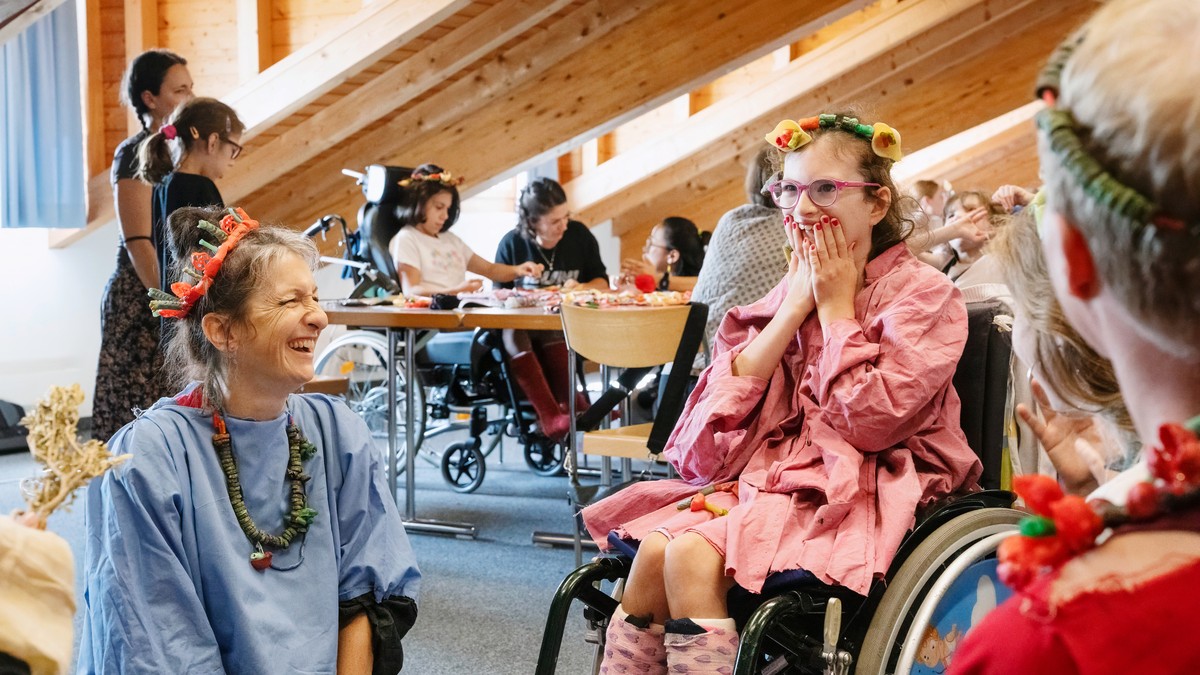
EinzigART
An inclusive art programme for children, young people and adults with cognitive disabilities.
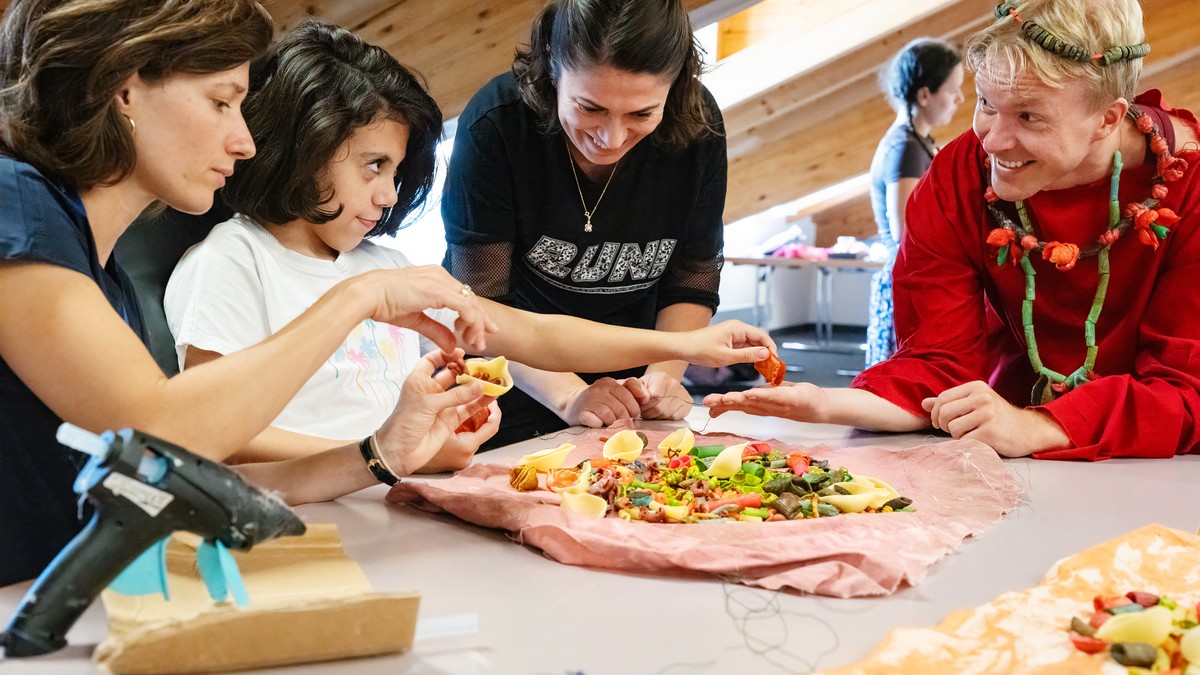
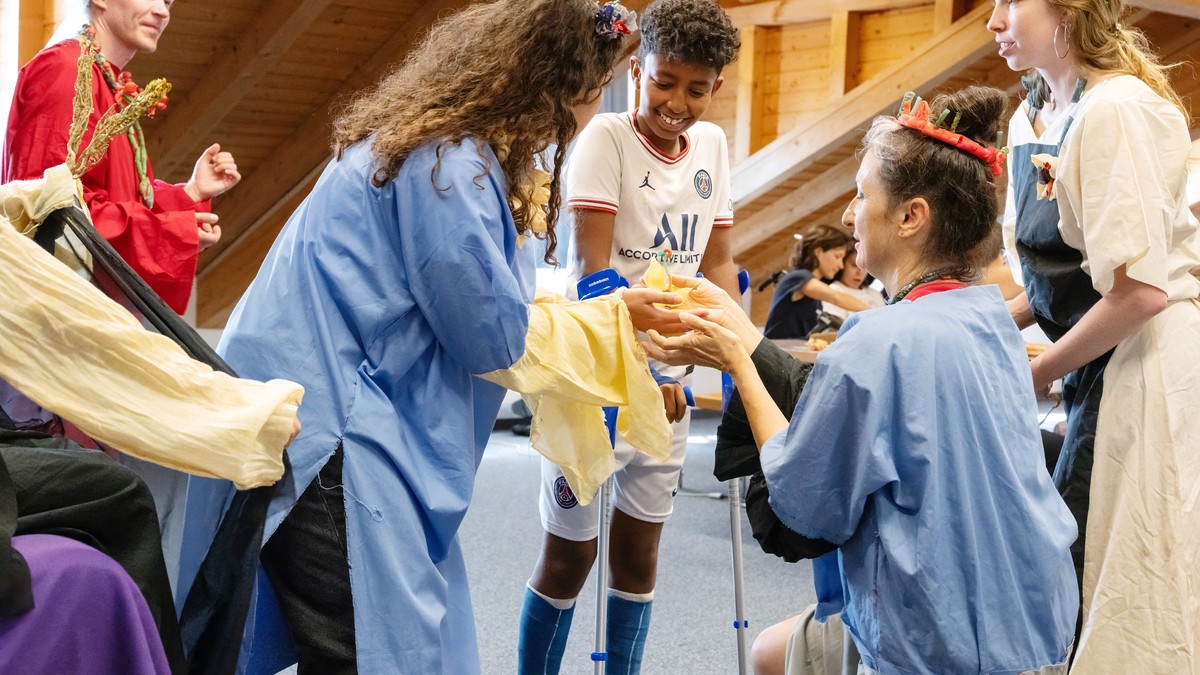
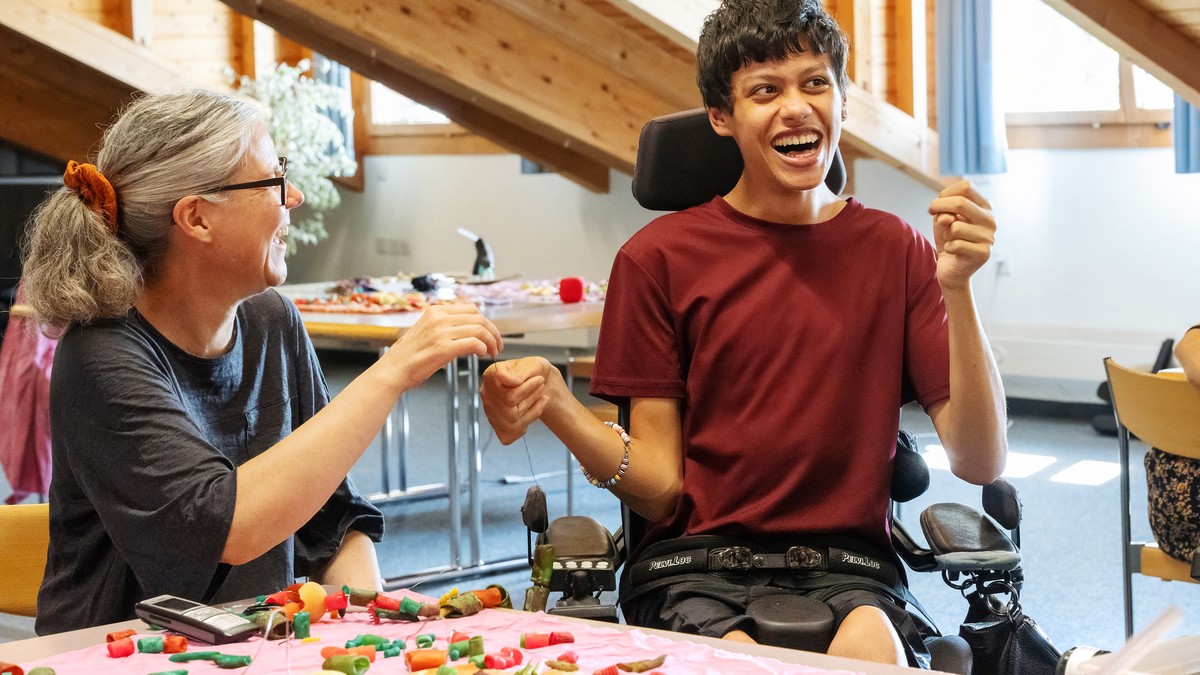
Experience art with all the senses: seeing, hearing, touching, smelling, moving and creating. In the studio, participants experiment with different materials, paint, shape and create. The focus is on the creative process – anything goes, nothing is required.
EinzigART takes place every two months. Each session is designed for a specific age group; children aged 7 to 13 take part accompanied by an adult.
The programme will be available shortly.

art.in: sparking curiosity
A project at the intersection of art, cultural mediation and adolescent mental health.
art.in supports young people in mental health crises through the transformative power of art, dance and music. Building on the successful Artopie model in Geneva, the workshops offer a safe space in which young people can actively shape the experience, build self-confidence and explore new perspectives.
A cooperation between the Psychiatric University Hospital Zurich (PUK) Life, Children Action, the Opernhaus Zürich and the Kunsthaus Zürich, supported by the Max Kohler Foundation.

Hearing pictures, experiencing art
Guided tours for people with visual impairment.
paintings and sculptures become tangible through vivid image descriptions. Words replace colours, language shapes contours. An inner image emerges through dialogue. Art-historical background and personal perceptions combine into a living experience of art. In addition, materials and the careful tactile exploration of selected sculptures make form, surface and material directly tangible.
Developed in cooperation with the Zürcher Sehhilfe. Supported by the Vontobel Foundation.
Le programme sera disponible prochainement.

Awakening art stories
For people living with dementia, their relatives and companions.
Under expert guidance, participants jointly develop thoughts, associations and poems on selected artworks. What is said is noted down and condensed into a shared story. The focus is not on forgetting, but on shared experience: looking, narrating, associating, exchanging.
Developed in cooperation with the Centre for Gerontology and the University Research Priority Programme "Dynamics of Healthy Aging" at the University of Zurich. Supported by the Vontobel Foundation.

Connect: dancing with neurological challenges
Dance, music and art for people living with MS or Parkinson's.
At the Kunsthaus, paintings and sculptures inspire new movements. Professional dance practitioners with specialised expertise create a space where movement, body and community come together. Selected sessions are accompanied live by the Tonhalle Orchestra.
An initiative of the Opernhaus Zürich, the Tonhalle-Gesellschaft Zürich, The Field, the Dance & Creative Wellness Foundation, Clare Guss-West and the Kunsthaus Zürich.
Current and past exhibitions
Maria Lassnig and Edward Munch (until February 2027)
Maria Lassnig and Edward Munch
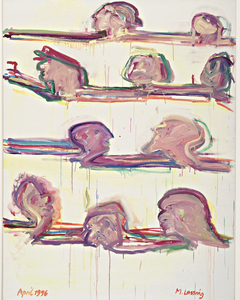
Maria Lassnig and Edvard Munch are shown together in a double exhibition for the first time. Despite the time that separates them, they share central artistic approaches, in particular their expressive use of colour and a vivid, experimental painting style. Their works depict inner and outer states with immediate emotional impact. A lifelong fear of illness, inner turmoil and formative experiences of loss and grief remain a motive and driving force in their artistic work.
Wolfgang Laib (until autumn 2026)
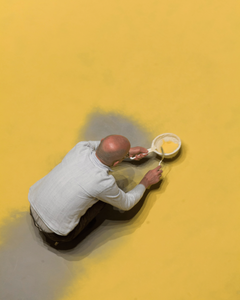
Wolfgang Laib
Wolfgang Laib's exhibition at the Kunsthaus Zürich combines natural materials such as pollen, rice and milk with quiet, space-filling installations. The experience gently shifts the viewer into an inner perception and emphasises the connection between body, environment and stillness.
Lygia Clark (2025/2026)
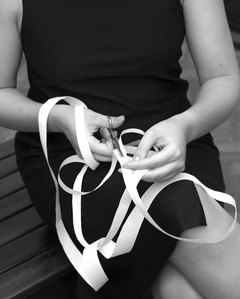
Lygia Clark
Lygia Clark, a pioneer of the Brazilian avant-garde, opens a space at the Kunsthaus Zürich through her interactive exhibition in which art is no longer merely viewed but experienced. Through touch, movement and dialogue, the viewer becomes an active co-creator. A radical invitation to rediscover body and senses.
Marina Abramović (2024/2025)
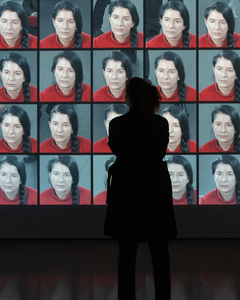
Marina Abramović
The Abramović exhibition showed, across more than five decades, how closely art is connected with questions of body, mind and healing. It made tangible how Abramović explored physical and mental limits in her work, placing themes such as exhaustion, concentration and self-perception at the centre. Through a conscious engagement with silence and presence, a space emerged that opened up new ways of understanding health and inner balance.
Take Care: Art and Medicine (2022)
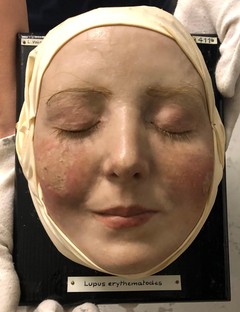
Take Care: Art and Medicine
The exhibition Take Care: Art and Medicine (2022) made strikingly visible how closely questions of health, illness and healing are linked to art. Drawing on around 300 works, it opened up a multifaceted field of tension between art and medicine that concerns body and psyche alike and continues to be artistically reflected upon today.

Part of the Arts + Health Zurich initiative
The Kunsthaus Zürich takes part in Arts+Health, a Zurich-based initiative at the intersection of medicine, art, culture and architecture. The initiative builds on international developments in the field of art and health and brings different perspectives into dialogue. Arts+Health is still being established: the participating partners are pooling knowledge, experience and professional approaches and exploring which projects and partnerships can emerge from this. The result is new intersections between art, health and society as well as opportunities for effective interdisciplinary cooperation.
Partner